Data Privacy in Star Atlas: Insights by Titan Analytics
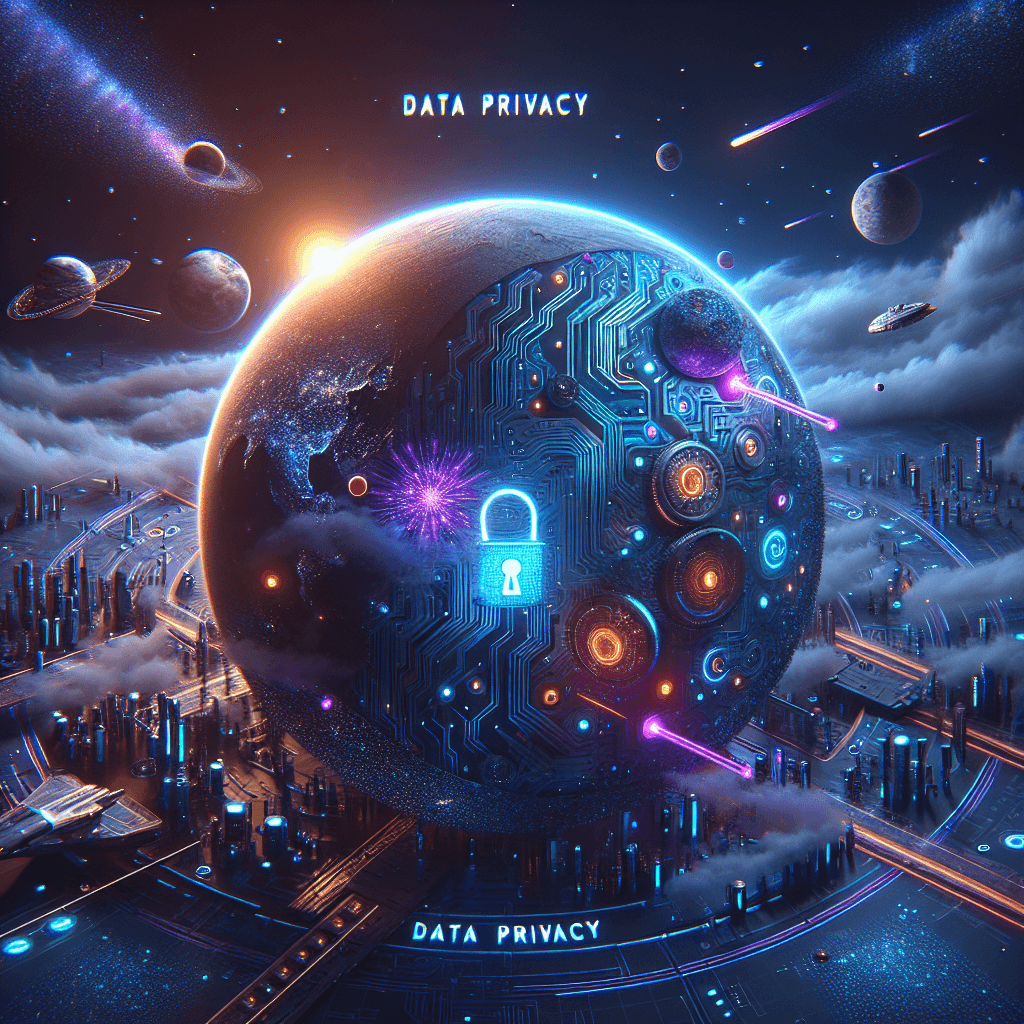
Understanding Data Privacy in Star Atlas: Insights by Titan Analytics
In today’s digital age, data privacy has become a hot topic, especially within the gaming community. As players engage in vast virtual worlds like Star Atlas, understanding how data privacy works can significantly enhance your gaming experience. Here at Titan Analytics, a Solana validator and an analytics platform for Star Atlas, we want to shed light on how data privacy applies to this expansive universe.
The Importance of Data Privacy
Data privacy is about safeguarding personal and sensitive information from unauthorized access and usage. In the context of gaming, especially in decentralized ecosystems like Star Atlas, maintaining your privacy is essential for both security and a fair gaming experience. It ensures that your data remains yours, empowers you to control how it’s used, and protects you from malicious activities.
How Data Privacy Works in Star Atlas
Star Atlas is built on blockchain technology, which inherently provides a degree of transparency and security. However, this doesn’t eliminate privacy concerns. Every transaction or interaction you make in the game can potentially be traced. Here are some critical aspects of data privacy specific to Star Atlas:
-
Decentralized Identity: In Star Atlas, players often use wallets to interact with the game. Each player’s actions and assets are associated with their wallet address rather than their real identity. This separation helps protect your personal information, but it also means that you should be vigilant about how much of your data you choose to share.
-
Smart Contracts and Data Handling: The backbone of Star Atlas is its smart contracts, which automate processes like asset trading and game interactions. Although these contracts enhance the game’s functionality, they can also generate data logs that some players may not want to be publicly accessible. Understanding how these contracts work can help you navigate your privacy preferences better.
-
User Control: Fundamentally, privacy in Star Atlas is about user empowerment. The platform is designed to give players control over their data. You can decide which information to disclose and which interactions to perform. Always engage with frameworks like privacy settings to ensure you’re comfortable with what you’re sharing.
- Community Awareness: Being part of the Star Atlas community means staying informed about privacy best practices. Participating in forums, reading updates from the developers, and understanding the nuances of blockchain technology can help you better manage your data privacy.
Best Practices for Protecting Your Data
-
Keep Your Wallet Secure: Use strong, unique passwords and enable two-factor authentication whenever possible. Your wallet is your identity in Star Atlas, so treat it accordingly.
-
Regularly Review Permissions: When connecting your wallet with third-party applications, always review the permissions you are granting. Limit access to only what is necessary.
-
Stay Informed: Blockchain and gaming technologies are continually evolving. Subscribe to updates from Titan Analytics and Star Atlas community channels to stay on top of privacy-related developments.
- Educate Yourself: Knowledge is power. The more you understand how blockchain and data privacy work, the better you’ll be at protecting your information.
At Titan Analytics, we are dedicated to not only providing insights into Star Atlas but also promoting a safe and privacy-conscious gaming environment. We encourage players to prioritize their data privacy while exploring the exciting universe of Star Atlas.
For more insights on how to enhance your gaming experience and manage your data effectively, visit our Star Atlas data modules at Titan Analytics Modules. If you have any questions or need further assistance, feel free to contact Titan Analytics. Your privacy matters, and we’re here to help!