Star Atlas: Navigating Fiscal Policy Development
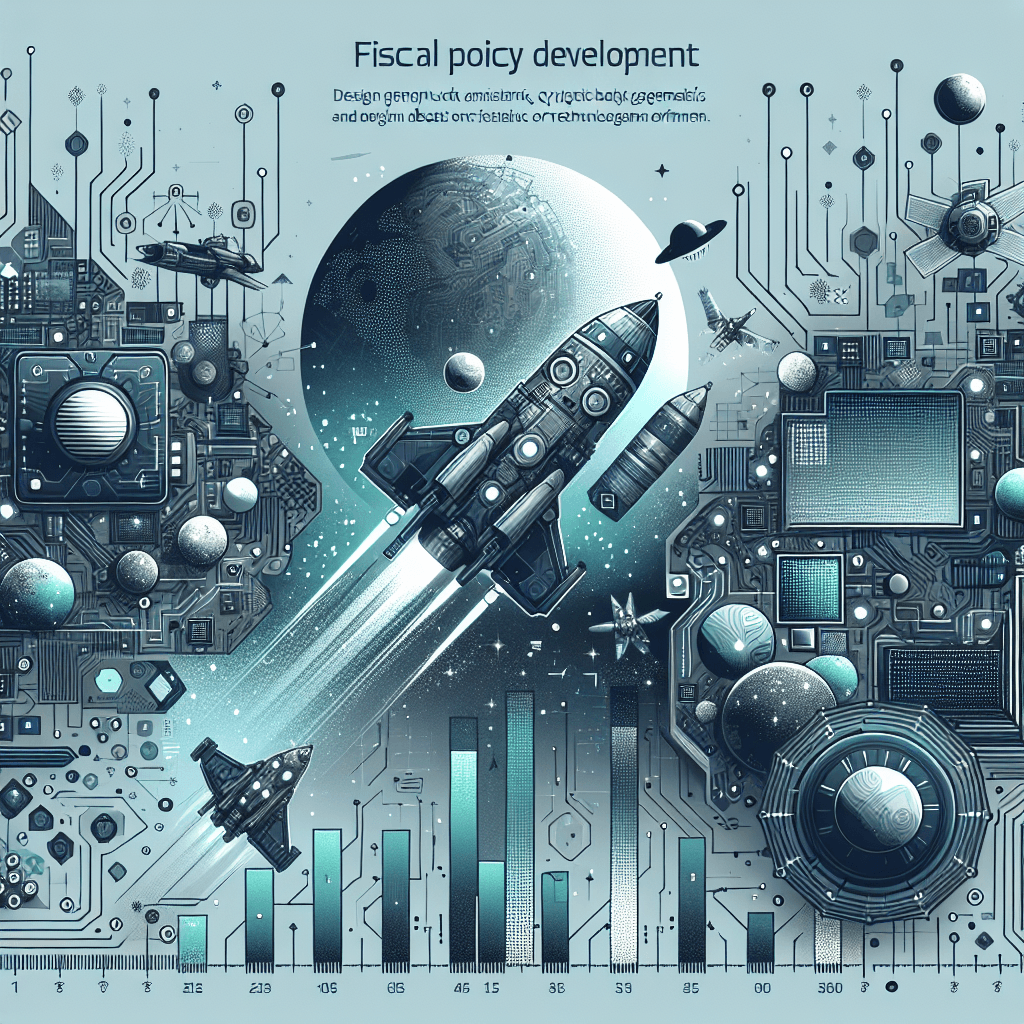
Star Atlas: Navigating Fiscal Policy Development
In the vibrant universe of Star Atlas, players aren’t just participating in an exciting space adventure; they’re also engaging in a complex economic system that resembles real-world fiscal policies. At Titan Analytics, as both a Solana validator and an analytical platform for Star Atlas, we’re eager to explore how fiscal policy development plays a crucial role in this digital ecosystem.
Understanding Fiscal Policy
Fiscal policy refers to the strategies that governments or authorities use to manage a country’s economy through adjustments in spending and taxation. In the context of Star Atlas, we can think of fiscal policy as the way the game’s developers manage resources, engage players, and influence growth and sustainability within the game’s universe.
The Economic Framework of Star Atlas
Star Atlas operates on the Solana blockchain, which ensures fast transactions and robust security. It introduces a virtual economy where different factions—the ONI, MUD, and AER—control resources and have distinct economic strategies. The players can own, trade, and enhance resources, creating a dynamic marketplace reminiscent of a real-world economy.
Key Components of Fiscal Policy in Star Atlas
-
Resource Management: At the core of fiscal policy is how resources are allocated. In Star Atlas, resources like ships, land, and cargo are vital. Developers must ensure that these resources are distributed evenly and sustainably to avoid inflation or resource depletion. This balancing act mirrors real-world governments managing their natural resources.
-
Taxation and Incentives: Just as in traditional economies, taxation and incentives are crucial in Star Atlas. The game introduces mechanics where players can earn in-game currencies (like ATLAS and POLIS), facilitating trade and investment. A well-planned incentive structure encourages players to engage more deeply with the economy while fostering community growth.
-
Monetary Stability: Keeping the in-game economy stable is critical for player satisfaction. Developers need to monitor and adjust mechanisms to prevent issues like hyperinflation—something players experience when there are too many resources and not enough demand. Similarly, sound fiscal policies in real economies aim to maintain price stability.
- Investment in Infrastructure: Just as governments invest in infrastructure to support economic activity, Star Atlas developers regularly introduce new features, updates, and expansion plans to enhance gameplay. This investment supports a growing player base and encourages long-term engagement.
Conclusion
As we navigate the vast universe of Star Atlas, recognizing the principles of fiscal policy development can enhance your understanding of how the game operates on a deeper level. By actively participating in this economic ecosystem, you’re not just playing a game; you’re part of a larger financial narrative that mirrors real-world economic dynamics.
If you’re interested in diving deeper into Star Atlas data and analytics, explore our dedicated modules at Titan Analytics Star Atlas Data Modules. For further inquiries or assistance, feel free to reach out to us via contact.
Happy exploring, and may your journey in Star Atlas be prosperous!