Star Atlas: Navigating Partisan Politics in Gaming
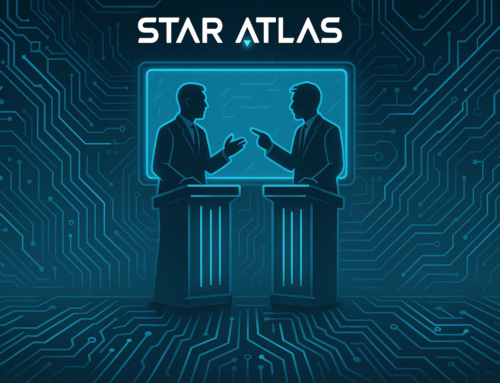
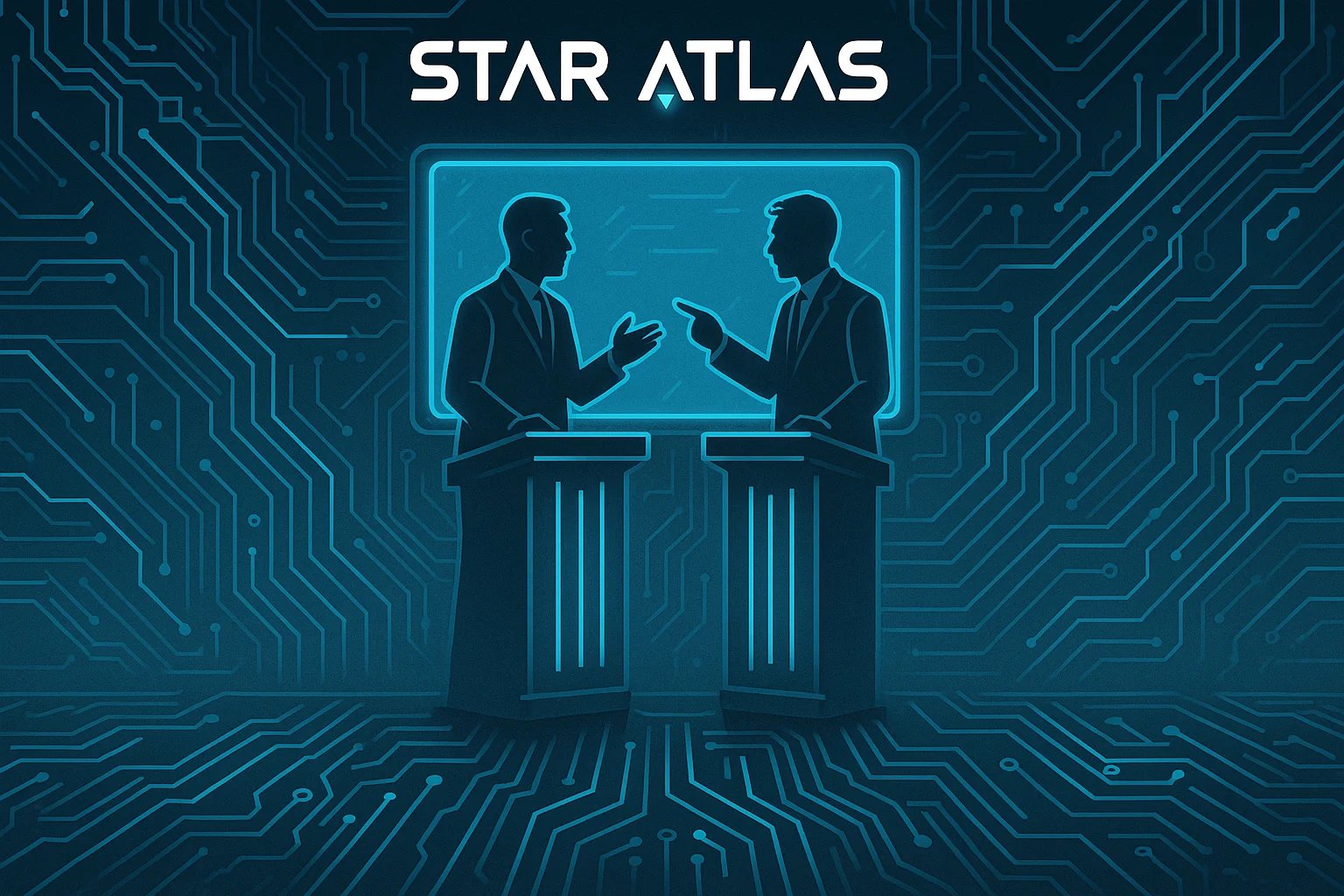
Star Atlas: Navigating Partisan Politics in Gaming
In the ever-evolving landscape of gaming, Star Atlas stands out as a pioneering project that combines immersive gameplay with blockchain technology. As a Solana validator and analytics platform, Titan Analytics is excited to explore how partisan politics plays a critical role in this ambitious universe.
What is Star Atlas?
Star Atlas is a space-themed, multiplayer online game set in a vast virtual galaxy. Players can build empires, gather resources, and engage in battles—all powered by blockchain technology. With a thriving community and a robust economy, Star Atlas embodies the dynamic interplay between technology and community interaction.
Understanding Partisan Politics
Partisan politics refers to the division of interests among groups, often leading to conflicts over resources, ideals, and governance. In gaming, this translates to factions, guilds, and communities vying for power, influence, and resources. In Star Atlas, players can align themselves with different factions, each representing unique philosophies and objectives.
The Factions of Star Atlas
-
The ONI (The Abundant): Focuses on wealth accumulation and technological superiority. Players here often prioritize prosperity and industry, willing to negotiate for corporate control.
-
The MUD (The Suffering): Represents a more communal approach, advocating for shared resources and egalitarian principles. Players in this faction tend to rally for social justice and equitable gameplay.
-
The UST (The Resilient): These warriors prioritize strength and military prowess. Players align for conquest, aiming to expand territories through strategic alliances and battles.
By understanding these factions and their ideologies, players can navigate the challenging political landscape of Star Atlas more effectively.
Strategic Gameplay in a Partisan Environment
-
Choosing Your Faction Wisely: Selecting the right faction is crucial. Consider the goals, values, and styles of play. Will you lead with diplomacy, or are you more inclined to engage in combat?
-
Building Alliances: Forming alliances can amplify your power. Partner with players who share similar goals or who can provide resources you lack. Trust is essential here; remember, political allegiances can shift quickly.
-
Resource Management: Different factions will have varying access to resources. Understanding these distributions can give you a tactical advantage over rivals.
-
Engaging in Politics: Participate in discussions, vote in governance proposals, and influence community decisions. Political engagement can lead to stronger positions within the game and potential rewards.
The Role of Governance in Star Atlas
Star Atlas incorporates blockchain governance, allowing players to vote on important issues affecting gameplay and economy. This feature empowers players to take active roles in decision-making processes, reflecting real-world partisan politics. The outcome of votes can significantly impact resource distribution, faction objectives, and game mechanics.
Conclusion
Navigating the complex partisan politics in Star Atlas is both a challenge and an opportunity. By understanding the factions and their dynamics, players can enhance their gaming experience, assert influence, and build meaningful connections within the community.
For more data and insights on Star Atlas, visit our data modules at Titan Analytics Star Atlas data modules or get in touch with us at Contact Titan Analytics. Happy gaming, and may your faction thrive!