Monetary Policy Foundations in Star Atlas: Insights

Monetary Policy Foundations in Star Atlas: Insights
Monetary policy is a crucial aspect of any economic system, and it’s especially fascinating when applied to the blockchain world, like in Star Atlas. As a large-scale, multiplayer game that incorporates elements of decentralized finance, Star Atlas presents unique opportunities and challenges for players and investors alike. Let’s dive into the monetary policy foundations within this universe and see how they shape gameplay and economic interactions.
Understanding Monetary Policy
At its core, monetary policy involves the management of money supply and interest rates to influence economic activity. In the context of Star Atlas, we can relate this to how in-game assets, currencies, and resources are created, distributed, and valued.
In-Game Currencies
Star Atlas operates with two primary tokens: ATLAS and POLIS.
-
ATLAS is the primary utility token used within the game. Players can earn it through gameplay activities such as completing missions, trading, and engaging in battles.
-
POLIS, on the other hand, serves as the governance token. Holders can participate in decisions regarding the game’s future and its economic model.
The dynamics between ATLAS and POLIS reflect a structured approach to monetary policy, where users have clear incentives tied directly to their participation in the game’s ecosystem.
Supply Control Mechanisms
One of the foundations of effective monetary policy is controlling the supply of currency. Star Atlas employs various mechanisms to ensure that the supply of ATLAS and POLIS supports a balanced economy:
-
Minting and Burning: New tokens can be introduced through various mechanisms, while burning can reduce the total supply. This helps stabilize the economy by preventing inflation and ensuring assets retain their value over time.
-
Earning Rewards: Players can earn ATLAS through various activities, encouraging interaction with the game and promoting a thriving in-game economy.
-
Market Influences: Player-driven economies can cause fluctuations in supply and demand. By observing players’ trades and participation, balance can be maintained within the monetary framework without over-saturation of currency.
Governance and Community Involvement
The governance aspect is vital in Star Atlas. POLIS holders can vote on changes that affect the economy, such as altering tax rates or introducing new features. This participatory approach threads community engagement into the fabric of monetary policy, ensuring that the players’ voices are considered in economic decisions.
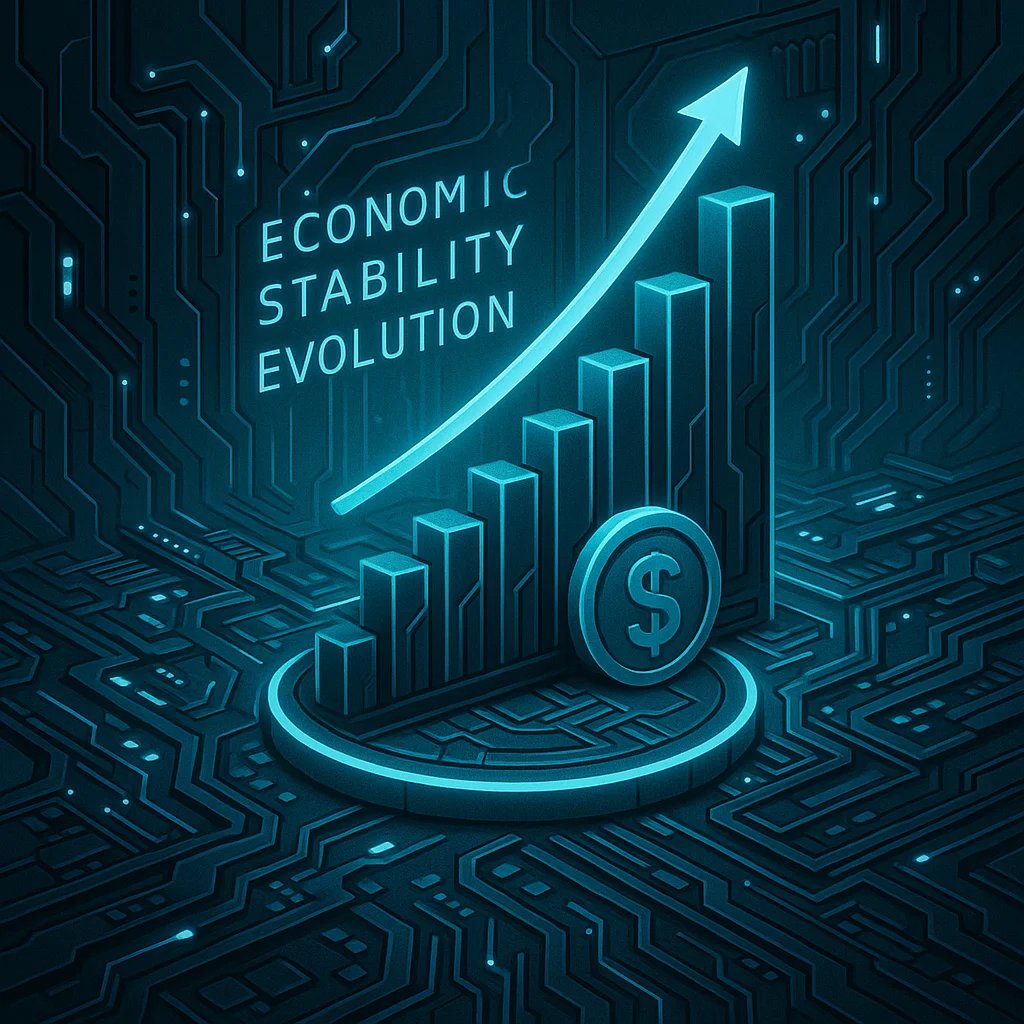
Economic Stability and Growth
The ultimate goal of any monetary policy is to promote economic stability and growth. In Star Atlas, this means fostering an environment where players can invest in assets confidently, participate in trade openly, and explore the universe freely.
By having a robust monetary policy, Star Atlas aims to create a sustainable environment where the economy can thrive, benefiting both casual players and serious investors.
Conclusion
Understanding the monetary policy foundations in Star Atlas can enhance your gaming experience while also providing insights into the economic frameworks that govern the universe. By exploring the structured use of currencies, supply control, governance, and community involvement, players can better navigate the complex landscape of Star Atlas.
For more in-depth insights and analytics related to Star Atlas, visit us at Titan Analytics Star Atlas data modules. If you have any questions or need further information, feel free to reach out at Titan Analytics Contact. Happy exploring!