Star Atlas: Analyzing Primary Elections Impact
Star Atlas: Analyzing Primary Elections Impact
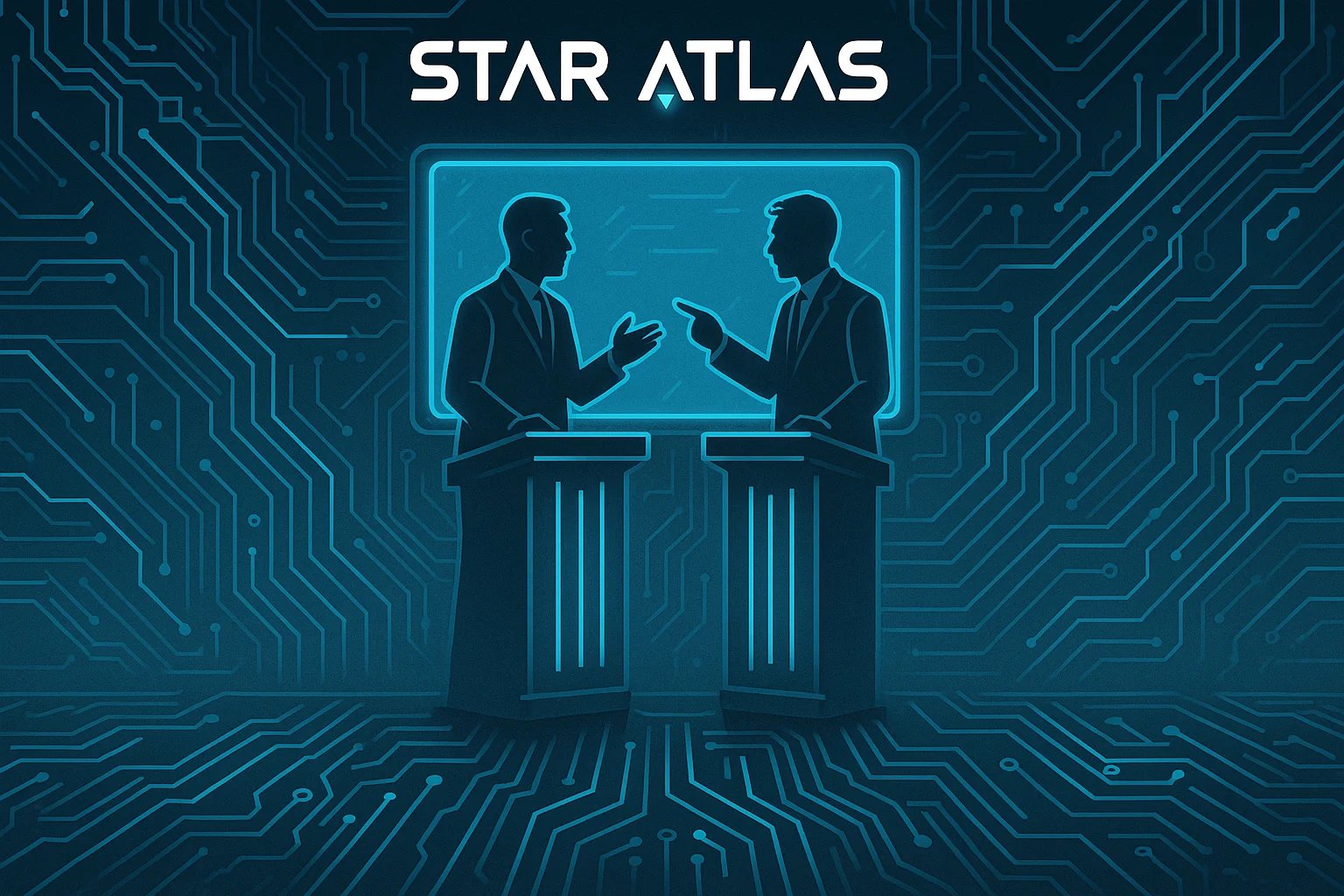
In the world of Star Atlas, a fascinating space-themed metaverse built on the Solana blockchain, the mechanics of governance and decision-making play a significant role in shaping the future of the game. To better understand how these systems work, we can draw an analogy to primary elections in traditional politics. This article by Titan Analytics aims to explore how primary elections influence Star Atlas, helping to clarify the impact of governance choices within the game.
The Basics of Governance in Star Atlas
Star Atlas is a massively multiplayer online game where players can explore, trade, and engage in battles in a dynamic universe. Central to player involvement is the governance mechanism that allows individuals and factions to influence the development of the game. Much like primary elections in politics, players can select representatives or make direct choices that affect their environment and opportunities.
Understanding Primary Elections
In the political realm, primary elections serve as a filter through which voters choose their candidates for general elections. They determine which individuals will represent a party’s interests, ultimately influencing policy and direction.
Translating this into Star Atlas, players can participate in decision-making processes that enable certain factions or initiatives to rise. The “primary” in this context can be seen as the initial selections of leaders or policies that will guide the direction of gameplay. Just like in politics, the outcomes of these elections can have lasting implications on the game’s ecosystem.
Impact on Gameplay and Community
-
Decentralized Power Structure: In Star Atlas, power is decentralized, much like in a democratic electoral system. The outcome of these “primaries” can lead to alliances forming among different factions, promoting collaboration for mutual benefits. If a faction gains overwhelming support, it can influence game development by pushing for specific features or storyline elements.
-
Resource Allocation: Similar to how political candidates shape budget priorities based on their platforms, the elected factions in Star Atlas can influence resource allocation. If a faction focuses on mining or exploration, players aligned with that faction could see increased opportunities to thrive within those domains.
-
Player Engagement: Elections stimulate community involvement. As players engage in debates, campaigns, and voting, they foster camaraderie and competition. This dynamic engagement can lead to a richer game experience, paralleling how voter involvement in political primaries can energize communities.
-
Long-Term Consequences: Just as political primaries can tilt the political landscape for years, the decisions made in Star Atlas will affect gameplay far into the future. Choices around governance can lead to changes in game mechanics or story arcs, making every election momentous.
Conclusion
The analogy of primary elections provides valuable insight into how governance works in Star Atlas. By understanding these dynamics, players can more effectively engage in the game and make informed decisions that shape their experience.
To explore deeper analytics and insights concerning Star Atlas, check out our data modules at Titan Analytics Star Atlas Modules. For inquiries and more information, feel free to reach out to us at Titan Analytics Contact. Embrace the power of informed decision-making and navigate your Star Atlas journey with confidence!