Star Atlas: Understanding Runoff Elections Made Simple
Understanding Runoff Elections Made Simple in Star Atlas
Star Atlas is an exciting playground for gamers and cryptocurrency enthusiasts alike, thriving on the Solana blockchain. With its dynamic economy and governance structure, understanding how certain voting mechanisms—like runoff elections—work can enhance your experience in the game. Let’s break down the concept of runoff elections and see how it fits into the Star Atlas universe.
What is a Runoff Election?
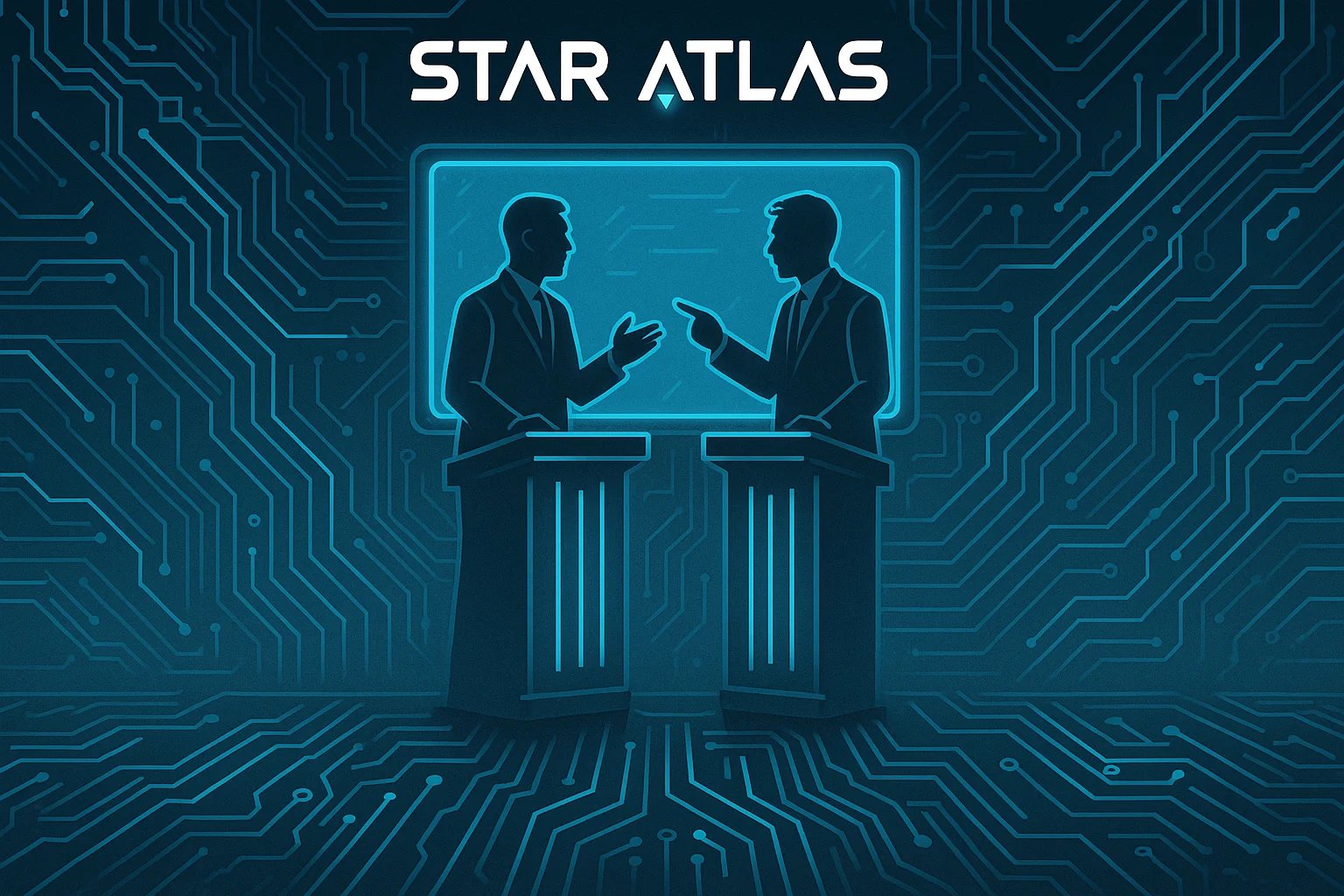
A runoff election occurs when no candidate receives the required majority of votes in the first round. Instead of immediately electing a winner, the top candidates advance to a second round where voters make a final choice. This ensures that the elected candidate has broader support.
Why Is This Important?
In Star Atlas, runoffs can apply to governance decisions which shape the game’s future. Players (or voters) have a stake in the community decisions ranging from game updates to economic changes. A runoff election allows for more refined choices, ensuring that the final decisions represent a consensus rather than a split vote.
How Runoff Elections Work in Star Atlas
-
Initial Voting Round: In the first round, players vote on several candidates (or proposals). If a candidate doesn’t lock in a majority (over 50% of the votes), the options are narrowed down.
-
Final Candidates: The candidates with the most votes (typically the top two or three) move forward to the runoff. Here, the focus shifts to these leading options.
-
Second Round Voting: In the runoff, players cast their votes again, this time choosing between the finalists. The candidate with the majority in this round is declared the winner.
Benefits of Runoff Elections
-
Enhanced Representation: More players can express their preferences without fear of wasting their votes. The final result more accurately reflects what the community wants.
-
Strategic Voting: Participants can choose their favorites in the first round without worrying about splitting votes, leading to a more democratic outcome.
-
Increased Engagement: Knowing that second chances exist keeps players more involved in the decision-making process.
Real-Life Example
Think of local elections where multiple candidates are running. If none receives enough votes, a second round allows voters to choose the strongest contenders. In Star Atlas, similar logic applies, rounding out the democratic ideals with a fun twist in a gaming environment.
Conclusion
Understanding runoff elections can deepen your engagement in Star Atlas, as models like this empower players to participate meaningfully in governance. You become part of shaping the game’s future, enhancing strategic decisions for yourself and the community.
Interested in diving deeper into data and analytics related to Star Atlas? Visit us at Titan Analytics Star Atlas data modules or contact us for more information. Let’s explore Star Atlas together!