Exploring Political Apathy in Star Atlas: Titan Insights
Exploring Political Apathy in Star Atlas: Titan Insights
Introduction
In the expansive universe of Star Atlas, a game blending strategy, exploration, and economic mechanics, players assume roles within a complex political structure. While it’s easy to get lost in the game’s breathtaking visuals and immersive gameplay, an intriguing phenomenon has emerged: political apathy. This article explores what political apathy means in the context of Star Atlas and how it shapes player interactions and community dynamics.
Understanding Political Apathy
Political apathy refers to a general disinterest or lack of engagement in political processes. In real-world settings, this might manifest as low voter turnout or a reluctance to participate in civic discussions. When applied to the Star Atlas universe, we can see similar trends. Players may feel disconnected from the game’s political elements, leading to less involvement in faction activities, voting, or governance.
What Causes Political Apathy in Star Atlas?
Several factors contribute to political apathy among Star Atlas players:
-
Complexity of Governance: The political structure in Star Atlas can be intricate. With multiple factions, governance mechanics, and economic policies, players may feel overwhelmed by the sheer amount of information and skip engaging in politics altogether.
-
Focus on Gameplay: Many players prioritize gameplay elements such as exploration, combat, or resource gathering over political involvement. This can create a divide where political issues seem secondary to the more engaging aspects of the game.
-
Perceived Inefficacy: When players believe their votes or engagement won’t significantly affect outcomes, they may disengage. If players see large factions dominating political decision-making, smaller factions or independent players might lose interest in participating.
The Effects of Apathy on the Star Atlas Community
Political apathy can have several implications for the Star Atlas community. Some consequences include:
-
Reduced Civic Engagement: If players are disinterested in political matters, the dynamics of faction leadership could become stagnant, potentially leading to imbalanced in-game economies and governance.
-
Homogeneity in Leadership: Apathy might lead to a lack of diverse opinions in faction leadership. Without active participation, dominant factions may continue to lead with limited perspectives, making the game feel less vibrant.
-
Impact on Game Development: Developers often rely on player feedback to shape future updates. A disengaged community may result in less valuable insights, slowing down the evolution of the game.
Encouraging Political Engagement
To combat political apathy, Star Atlas can implement several strategies:
-
Simplified Engagement Tools: Providing easier access to information and streamlined processes for political participation could motivate more players to get involved.
-
Incentives for Voting: Offering rewards or benefits tied to civic engagement might persuade players to take an interest in the political aspects of the game.
-
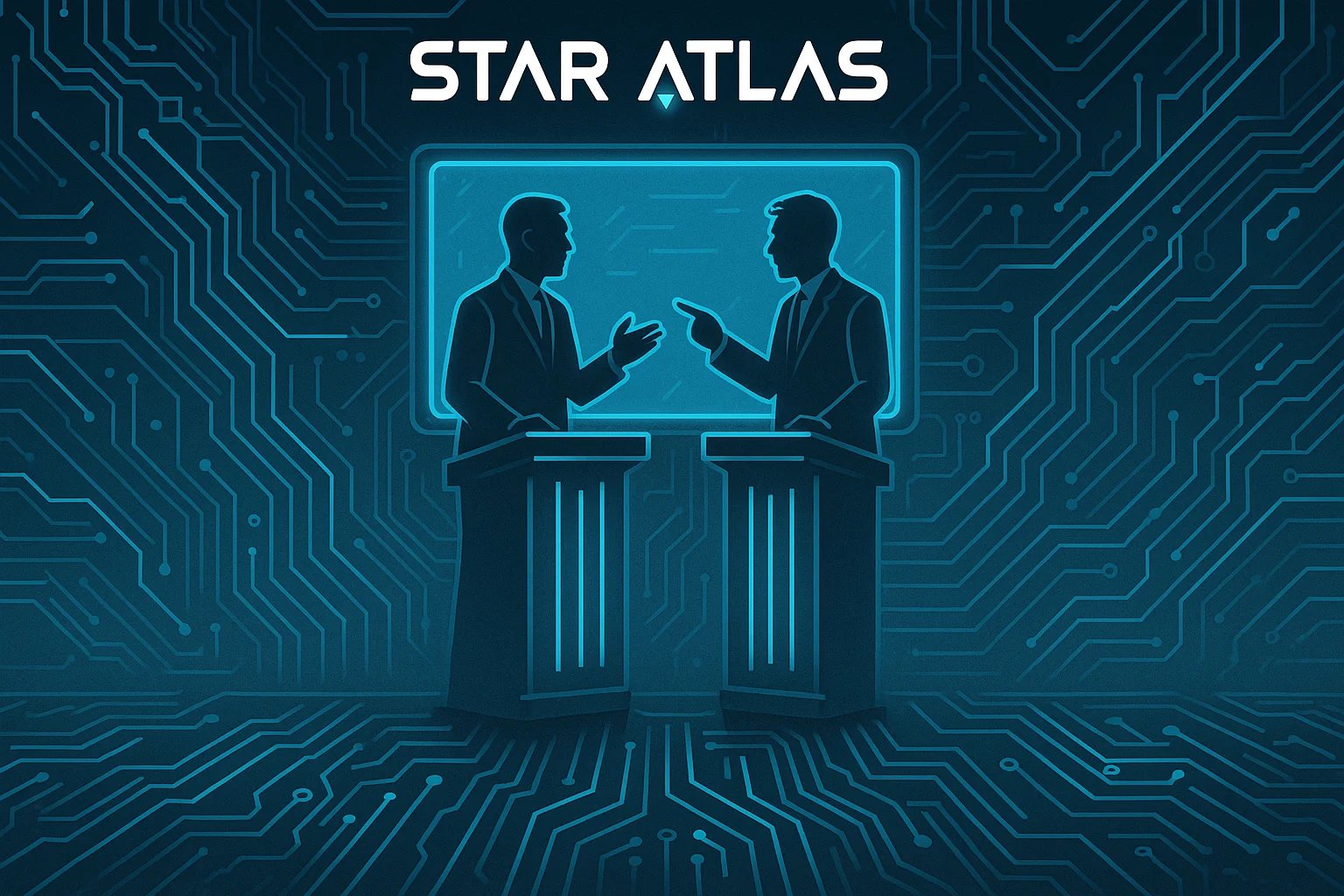
Community Events: Hosting events that bridge gameplay and politics, like debates or faction challenges, could encourage players to discuss governance issues in a fun, engaging way.
Conclusion
Political apathy in Star Atlas is a challenge for both players and developers. Understanding its causes and effects allows us to foster a more engaged community. By addressing these issues, the game can become a more dynamic and inclusive space for all players.
For more insights into Star Atlas and to explore our data modules, please visit Titan Analytics Star Atlas Data Modules. If you have any questions or want to connect, feel free to check out Titan Analytics Contact Page. Happy exploring!