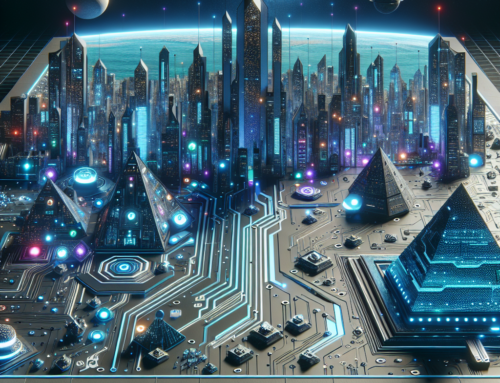
Hyperinflation Events in Star Atlas: A Titan Analysis

Hyperinflation Events in Star Atlas: A Titan Analysis
Hyperinflation is a term we often hear in discussions about traditional economies, where the value of currency dramatically decreases, leading to excessive price increases for goods and services. While Star Atlas, a massive multiplayer online game built on the Solana blockchain, primarily revolves around space exploration and economic strategies, the concept of hyperinflation can still be relevant in understanding its in-game economy, especially as it continues to develop.
Understanding Hyperinflation in Star Atlas
In a gaming universe like Star Atlas, hyperinflation can occur when there is an oversupply of the game’s resources or currencies. This could be driven by various factors such as excessive minting of in-game tokens, unregulated player-created markets, or the introduction of new gameplay mechanics that inject more currency into the economy than it can absorb.
When this happens, players may find that their hard-earned tokens and resources are losing value. Prices for items and services could soar, leading to a scenario where new players struggle to acquire necessary resources, and established players may face diminishing returns on their investments.
Historical Context of Hyperinflation Events in Star Atlas
Though the Star Atlas universe is still evolving, we can draw parallels from other gaming economies and early data from Star Atlas. For instance, virtual currencies in games like World of Warcraft or Second Life faced hyperinflation at various points, primarily due to exploitation of the economic systems by players or during major content updates.
In Star Atlas, the early gameplay phases are witnessing fluctuations as the game’s mechanics advance. Players are actively contributing to the economy, and early indications show that significant amounts of ATLAS (the native token) are being generated through gameplay and staking mechanisms.
As the size of the player base grows and new content is introduced, it is essential for developers to monitor these economic indicators closely. If an imbalance occurs—such as an excessive increase in the circulation of ATLAS—hyperinflation could ensue, negatively impacting player experience and the overall economy of the game.
Preventing Hyperinflation: Strategies and Approaches
Understanding how to prevent hyperinflation in Star Atlas involves several key strategies:
-
Balanced Supply and Demand: Developers need to ensure that the supply of in-game currency aligns with the demand created by players. This ensures that no single type of resource becomes too abundant.
-
Adjustable Minting Mechanisms: Introducing a dynamic minting system that can adjust based on economic indicators may help control inflation. This involves minting ATLAS tokens in moderation and using data analytics to forecast potential supply-demand mismatches.
-
Player Education: Educating players about the economic mechanics of Star Atlas empowers them to make informed decisions. This can include tutorials or guides on effective resource management and understanding the impacts of trading behaviors.
- Responsive Market Regulations: Establishing a regulatory framework for player-operated markets can help maintain fair pricing and stability. By regulating how resources can circulate in player-based economies, the game can prevent sudden price surges and reduced value for currencies.
Conclusion
Hyperinflation, while more a concern of real-world economies, has important implications in the Star Atlas gaming ecosystem. As players navigate this dynamic universe, understanding the potential for hyperinflation allows them to strategize effectively and make informed decisions.
At Titan Analytics, we are committed to providing insightful data and analytics on the Star Atlas economy. To dive deeper into our analytical tools and modules tailored for Star Atlas, visit Titan Analytics Star Atlas Data Modules. For any inquiries or feedback, feel free to Contact Titan Analytics. Your insights and questions are always welcome!