Political Tribalism in Star Atlas: A Titan Analytics Insight
Political Tribalism in Star Atlas: A Titan Analytics Insight
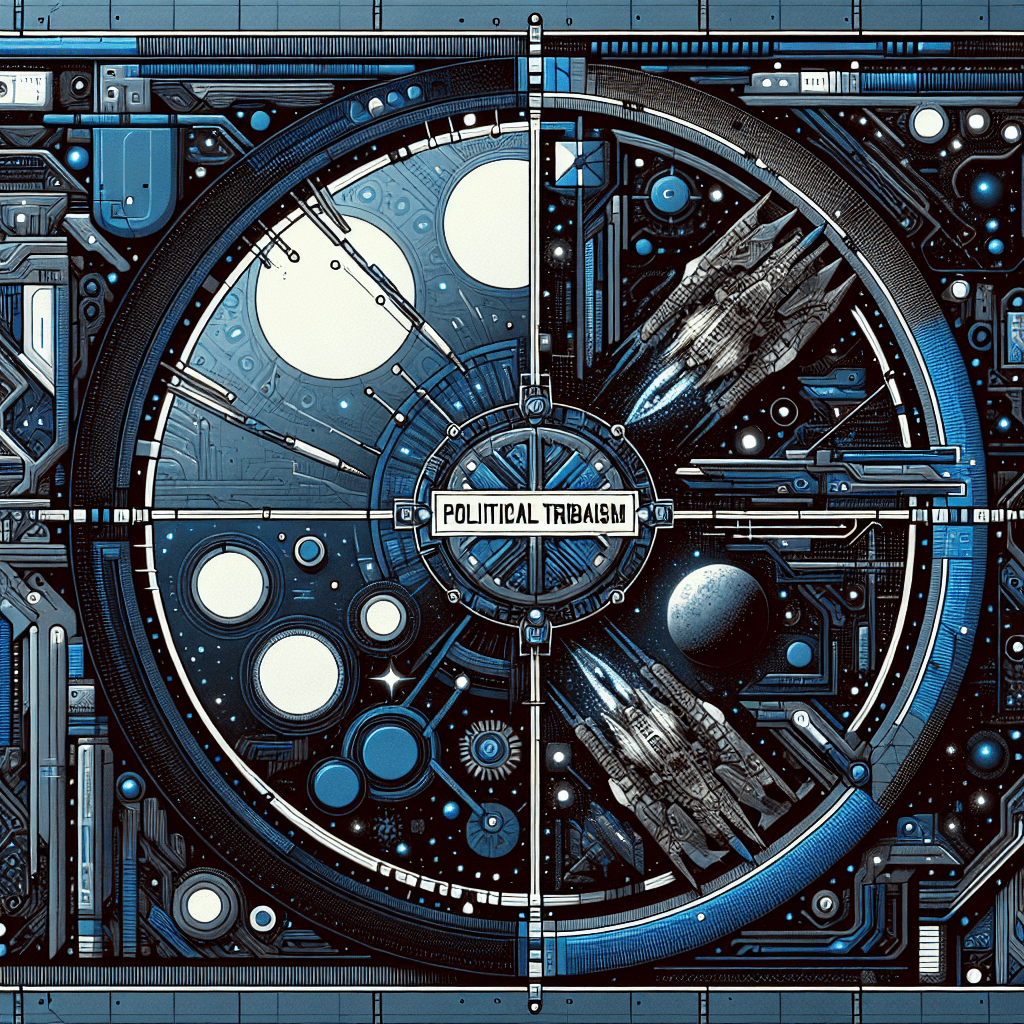
In the vast universe of Star Atlas, players not only engage in exploring the cosmos and building their fleets but also navigate the intricate dynamics of political tribalism. Understanding this concept can provide valuable insights into player behavior, alliance formations, and strategic decision-making within the game.
What is Political Tribalism?
Political tribalism refers to the tendency of individuals to align themselves with a specific group or faction, prioritizing the interests of their tribe over others. This phenomenon is often driven by shared values, beliefs, or goals, and can create an “in-group” versus “out-group” mentality. In Star Atlas, this manifests through three principal factions: the ONI, the MUD, and the UST. Each faction embodies distinct philosophies and objectives, shaping the game’s political landscape.
The Factions of Star Atlas
-
The ONI: Known for their sophisticated technology and rich lore, the ONI faction appeals to players who prioritize innovation and tactical advantages in gameplay.
-
The MUD: Emphasizing community and resourcefulness, MUD players often band together to sustain their territories and defend against rival factions. Their focus on collaboration fosters strong group identities.
-
The UST: With a militaristic approach, UST attracts players who revel in combat and strategy. Their alignment with this faction can create a strong sense of loyalty and commitment to its objectives.
Each faction’s distinctive characteristics encourage players to navigate alliances and rivalries, often forming blocks of loyalty that echo real-world tribalism.
Impact on Gameplay
Political tribalism significantly influences player interactions and the overall gaming ecosystem. When players align themselves with a faction, they often engage more deeply, contributing to community discussions, organizing events, and developing strategies. This loyalty can lead to:
-
Enhanced Cooperation: Players within the same faction work together toward common goals, pooling resources and sharing strategies. This cooperation can yield substantial rewards and advantages over rival factions.
-
Rivalries and Conflict: Tribalism can also lead to intense rivalries. These conflicts not only create narrative tension but also fuel engagement, as players invest in both the strategic and social aspects of gameplay.
-
Market Dynamics: The alignment with a faction can influence economic activities within Star Atlas. Players may prefer to trade or collaborate with others from their faction, shifting market trends based on shared interests.
Conclusion
Understanding political tribalism in Star Atlas helps players appreciate the depth of interaction and strategy within the game. By recognizing their own alignments and the dynamics of their chosen factions, players can enhance their gaming experience and contribute to the ongoing development of the Star Atlas universe.
For more detailed insights and data analysis on Star Atlas, visit Titan Analytics Star Atlas data modules. If you have any questions or need further assistance, feel free to contact Titan Analytics. Explore the universe of Star Atlas with the power of data!