Star Atlas and Legislative Gridlock: A Titan Analytics Insight
Star Atlas and Legislative Gridlock: A Titan Analytics Insight
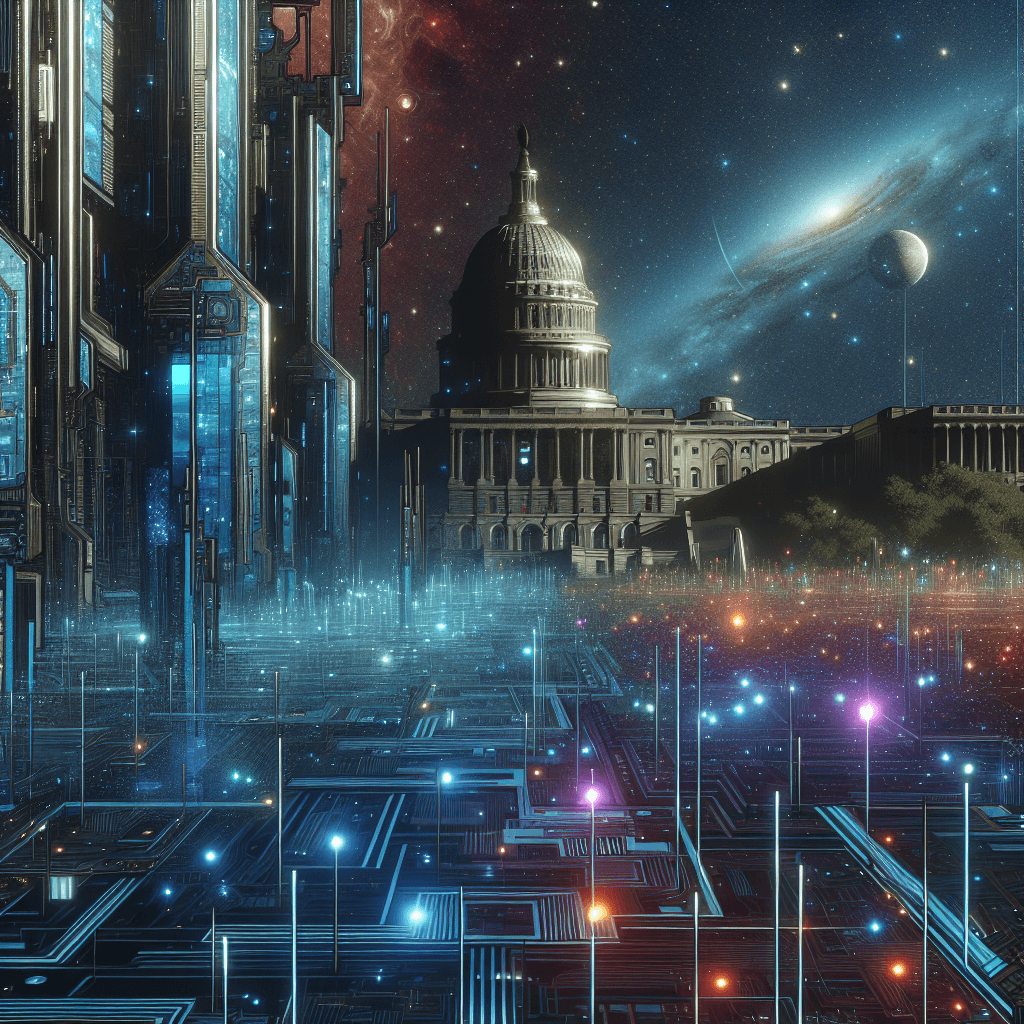
In the fast-evolving landscape of blockchain gaming, Star Atlas stands out as a revolutionary space exploration metaverse built on the Solana blockchain. With its expansive universe and vibrant community, Star Atlas embodies innovation in gaming and decentralized finance. However, just like in real-world governance, it faces challenges akin to legislative gridlock, which can hinder its development and growth. Let’s explore this concept and its implications for Star Atlas.
Understanding Legislative Gridlock
Legislative gridlock occurs when there is a stalemate in decision-making, often because of conflicting interests among stakeholders. In the context of Star Atlas, this can happen when various factions within the community, including players, investors, and developers, have diverging goals.
For example, developers may want to push forward game features that enhance gameplay, while players may demand changes that focus on economic stability or fairness. When these interests clash without effective dialogue, progress can stagnate, much like a legislative body that fails to pass important bills.
Application to Star Atlas
Star Atlas is a decentralized platform, meaning its success relies on the engagement and consensus of its community members. When decision-making processes falter due to competing interests, several issues can arise:
-
Project Delays: Just as a stalled legislative process can delay important bills, conflicting interests can slow down Star Atlas’s feature releases or updates, making the game less dynamic and engaging.
-
Community Frustration: Players may feel unheard when changes they advocate for are blocked by others’ interests. This frustration can lead to dwindling engagement, akin to citizens disengaging from politics in response to gridlock.
-
Economic Implications: Star Atlas’s in-game economy, like real-world economies, is sensitive to uncertainty. When communities can’t agree on the game’s direction or economic mechanics, it can lead to market volatility, affecting the value of assets and player investments.
Solutions to Navigate Gridlock
To mitigate these issues, Star Atlas can adopt strategies commonly employed in governance to encourage cooperation and consensus:
-
Transparent Communication: Open channels for discussion can help clarify goals and alleviate tensions between parties. By creating forums or town hall meetings within the gaming community, stakeholders can express their views and advocate for compromises.
-
Voting Mechanisms: Incorporating decentralized voting can empower the player base to make decisions collectively. This creates a democratic environment that honors the voice of the community while reducing the chances of gridlock.
-
Proactive Roadmaps: A clearly defined development roadmap that includes feedback loops can help align various stakeholders’ expectations. Regular updates and milestone checks can keep everyone informed and engaged.
Conclusion
In the end, while Star Atlas continues to innovate and expand, the threat of legislative gridlock looms as a parallel to real-world governance challenges. By adopting strategic communication, voting mechanisms, and proactive planning, the community can navigate these challenges and continue to thrive.
If you’re interested in exploring more about Star Atlas and gaining insights into its performance, check out our data modules at Titan Analytics Modules. Alternatively, feel free to reach out to us for further inquiries at Titan Analytics Contact. Let’s navigate the cosmos of Star Atlas together!