Star Atlas Insights: House of Commons Analysis by Titan Analytics
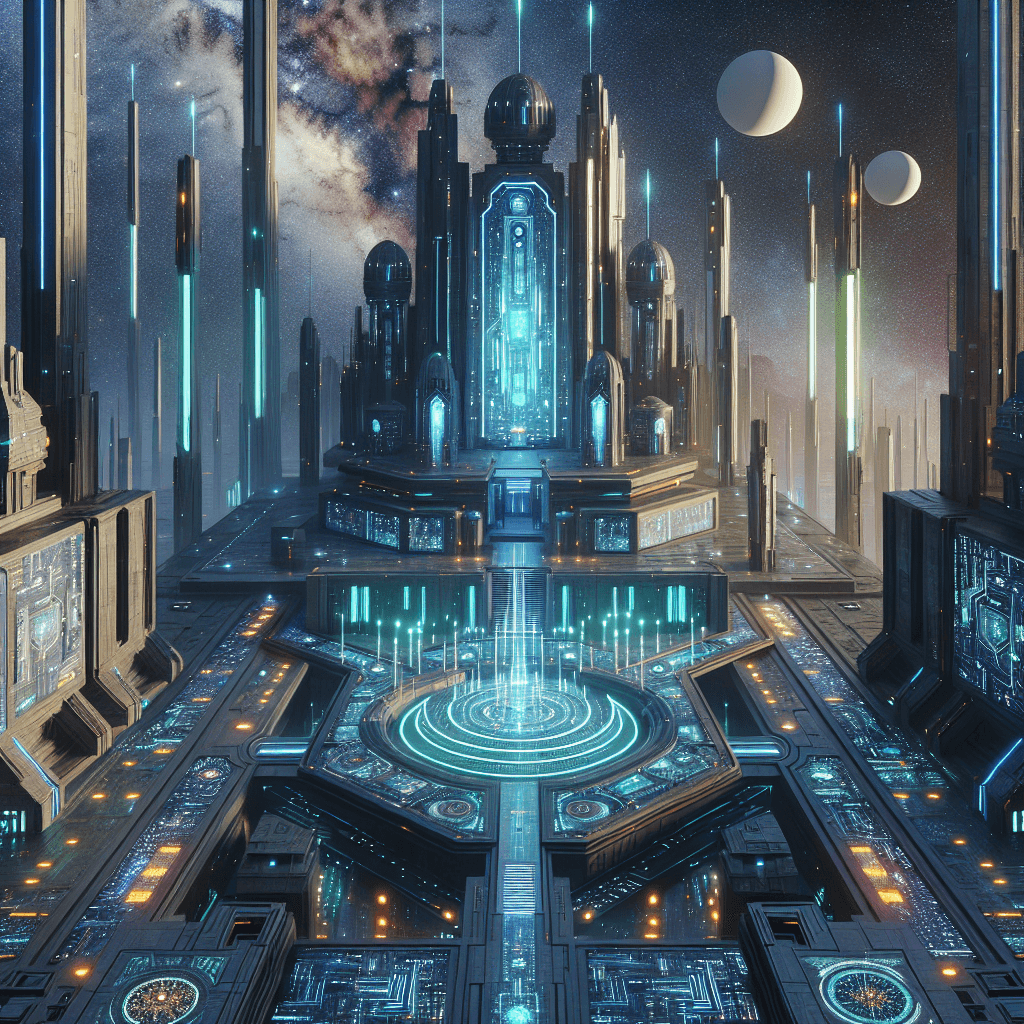
Star Atlas Insights: House of Commons Analysis by Titan Analytics
At Titan Analytics, we explore the fascinating universe of Star Atlas through a unique lens: the House of Commons framework. By using this concept, we can create an engaging analysis that captures the dynamics of player engagement, governance, and resource distribution in the Star Atlas ecosystem.
What is the House of Commons Framework?
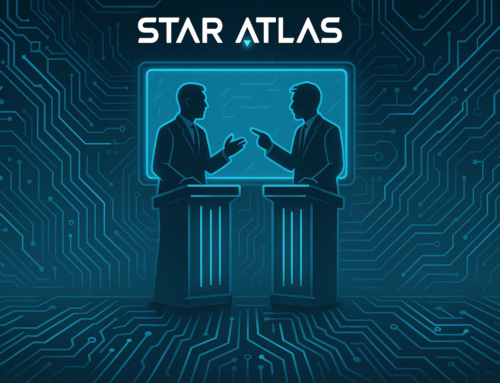
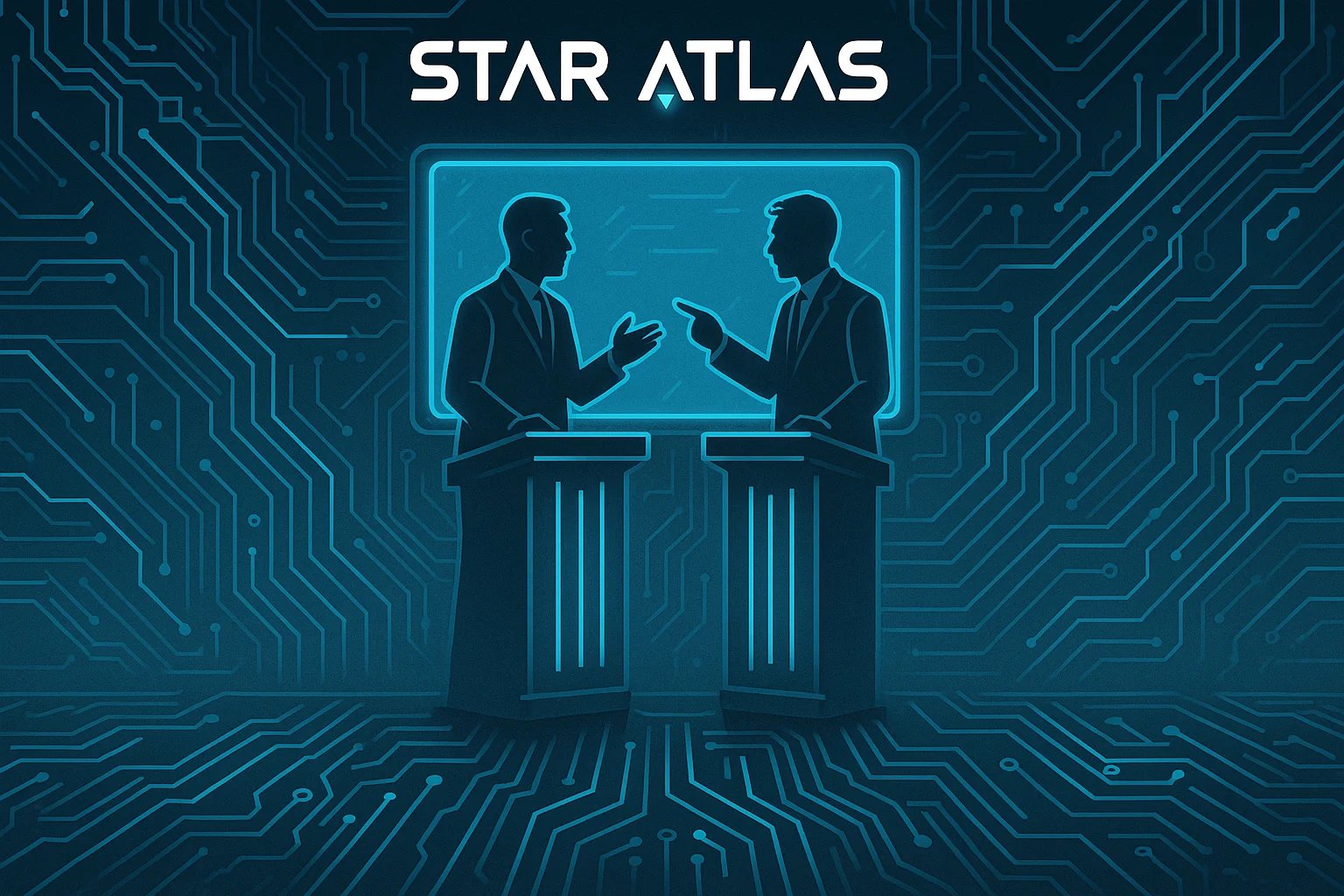
The House of Commons, a key part of the UK Parliament, serves as a place where representatives discuss, debate, and decide on issues affecting citizens. In Star Atlas, we can draw parallels by seeing players as representatives of their factions and interests. Each faction, or “house,” contributes to the governance and success of the game’s economy and social structure.
Understanding the Factions
Star Atlas consists of three primary factions: the Oni, the MUD, and the ASCENDANT. Each faction has its unique strengths and strategies, similar to political parties in the House of Commons. These factions engage in various activities, from exploration to combat, all contributing to the broader game economy.
-
Oni – Known for their relentless ambition and militaristic prowess. Their focus is on dominating territories and maximizing resource extraction.
-
MUD – This faction emphasizes trade and diplomacy. They often negotiate alliances and utilize economic strategies to thrive.
-
ASCENDANT – A faction focused on technological advancement and exploration. Their strategies involve developing cutting-edge technology for civilizational progression.
Player Engagement and Governance
Just as the House of Commons allows for debates and discussions, the Star Atlas ecosystem fosters interactions among players. Through forums, community events, and faction meetings, players voice their opinions and influence decisions affecting the universe.
This participatory governance enables players to:
- Shape Policies: Players can propose and vote on initiatives, akin to legislative processes in government.
- Collaborate: Factions must work together or confront one another in a competitive landscape. Negotiations and collaborations mimic political alliances.
- Resource Management: Players manage assets and resources, reflecting economic policies and allocations in governance.
Economic Implications
In a simulated environment like Star Atlas, virtual economies function much like real-world markets. The economic activities of each house—whether it’s trade, exploration, or warfare—can significantly affect in-game resource prices and player investments.
By employing data analytics, Titan can gauge:
- Market Movements: Understanding how player actions influence resource values.
- Player Trends: Tracking which factions are gaining traction and why.
- Resource Distribution: Analyzing how effectively resources are allocated among factions.
Conclusion
The concept of using the House of Commons as a framework for understanding Star Atlas provides a rich, layered analysis of player dynamics and faction interactions. Titan Analytics is committed to driving deeper insights into this vibrant ecosystem.
If you’re interested in exploring our data modules further or have questions, feel free to visit Titan Analytics Star Atlas Data Modules or contact us at Titan Analytics Contact. Let’s navigate the Star Atlas universe together!